Fire, Color, Form Enamel Is the Global Language of Contemporary Jewellery Exhibition
Featuring the Largest Private Collection of Legendary Ilgiz F.
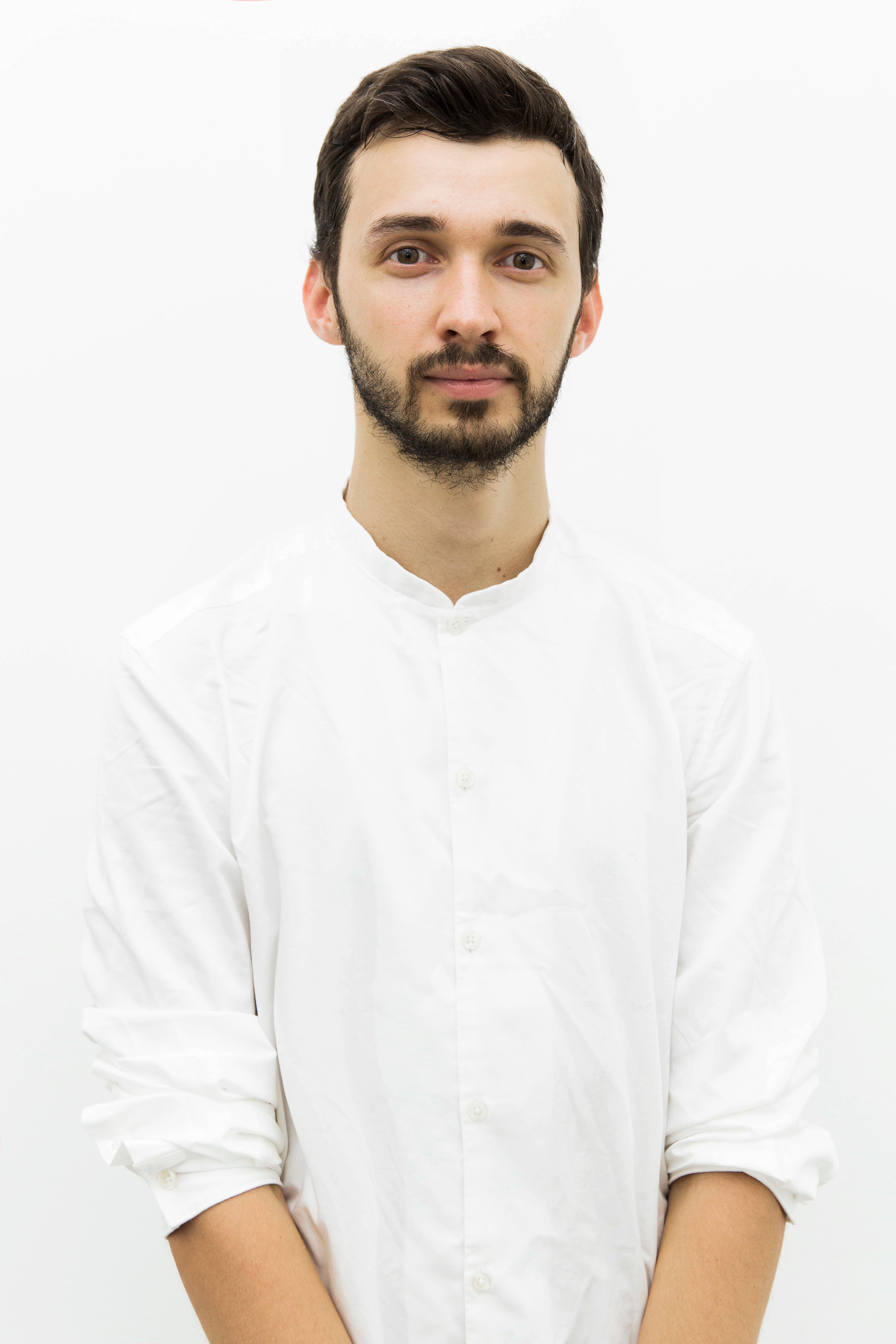
From 5 to 8 March, EURUS Gallery presents a landmark exhibition at The House on Sathorn. The project brings to Thailand— and to Asia for the first time— a major private collection of works by Ilgiz F. (Ilgiz Fazulzyanov), one of the most influential contemporary masters of enameling art.
He became the only living independent jeweller to be honoured with a solo exhibition at the Moscow Kremlin Museums — the first since Fabergé. The Museums noted the exceptional artistic and technical level of his hot enamel works, describing them as comparable in complexity and mastery to historic masterpieces.
Ilgiz Fazulzyanov was also entrusted with the restoration of enamel pieces in the collection of the Victoria and Albert Museum in London. He has been invited by L’École Van Cleef & Arpels to lecture on the art of enamelling. His influence on contemporary jewellery is undeniable: today, when jewellers work with enamel, they inevitably look at his practice as a reference point.
Ilgiz Fazulzyanov is internationally recognised both in the West and the East. His artistic language is inseparable from enamel: the Moscow Kremlin Museums describe the “hot enamel” technique in his work as possessing a pictorial intensity, and note that international experts compare the technical complexity and artistic quality of his pieces to the masterpieces of French Art Nouveau, including René Lalique and Georges Fouquet.
Ilgiz Fazulzyanov is among the few jewellers worldwide working with a wide range of classical hot enamel techniques, alongside his own unique methods, and that nature—birds, butterflies, flowers, plants—occupies a central place in his oeuvre, balancing between Art Nouveau and Art Deco while remaining unmistakably his own.
The exhibition is conceived as a dialogue. While the core of the show is built around Ilgiz’s works, it also presents other outstanding jewellery artists who interpret enamel through strikingly different aesthetics and cultural codes. Even within the finite set of enamelling techniques, the field remains virtually limitless when it comes to ideas, symbolism, and form—this is where each artist’s imagination begins.
In continuation of EPIC Jewellery’s collaboration with the New York–based contemporary artist Ilya Fedotov-Fedorov within The Circle of Life project, the exhibition features a necklace with a cicada pendant. The cicada’s wings are executed in plique-à-jour enamel, paired with an unexpected contemporary material for classic enamelling—titanium. The titanium body is anodised and, on the exterior, almost entirely pavé-set with colourless diamonds and pink sapphires.
Richard Wu explores enamel across a wide technical spectrum—from cloisonné to enamel miniature painting. In the latter, he creates commissioned miniature images that recall the sentimental tradition of personal portrait jewels: a beloved face, an animal, or a private symbol—realised in close creative dialogue between collector and artist. What sets Richard Wu apart is that he does not merely “use” jewellery techniques as an artist; he commands them as a master—an uncommon combination today. His practice is rooted in lapidary craft: he began with jade carving, and this material understanding informs everything he creates.
For Dickson Yewn, enamel becomes a vehicle for layered cultural references. His works can read like visual puzzles: what seems at first abstract is often rooted in Chinese symbolism and ornament. Among the motifs he develops through cloisonné enamel is the “cracking ice” pattern—traditionally read as the arrival of spring.
For Alessio Boschi, enamel appears as an accent enamel within complex narrative and sculptural compositions. His jewels often contain hidden elements and secrets. Among the enamel works presented are earrings inspired by Naples, featuring Pulcinella and Harlequin figures, the image of Mount Vesuvius, and small red horn amulets — traditional protective symbols in Southern Italy — integrated into his signature architectural storytelling structures.
This exhibition convincingly demonstrates that enamel should not be perceived as an exotic or purely historical technique, often associated with the past of jewellery art simply because masters such as Lalique and Fabergé were using it more than a century ago.
Enamel is not nostalgia. It is a fully contemporary language — and, in many ways, the future of artistic jewellery. Technically complex, demanding and uncompromising, it offers jewellers one of the most powerful and nuanced means of expression available today. The visual depth, colour intensity and symbolic possibilities that can be achieved through enamelling have no true equivalent in other jewellery techniques.
To witness this firsthand — and to experience an exceptional gathering of some of the strongest enamel works of our time — one must simply step into EURUS Gallery during the exhibition.